
 First Alliance Credit Union
How Does Vehicle Repossession Work
 First Alliance Credit Union : May 26, 2020, 6:47:00 AM
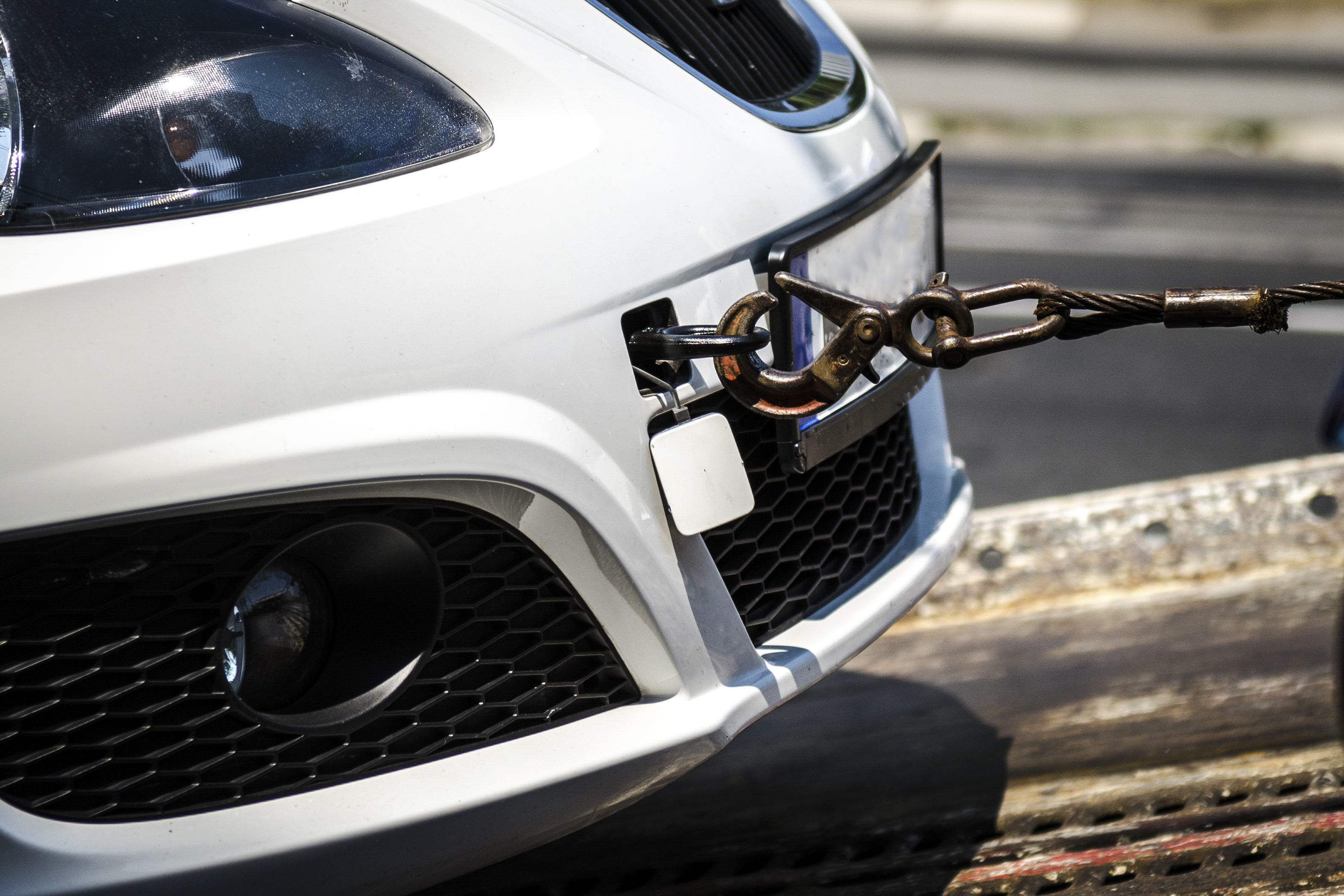
When you stop making payments on your auto loan, your lender, by law, has the right to repossess the car. Find out how car repossession works.

 If you feel like you've been struggling to keep up with car payments, you're not alone: According to a recent report from the Federal Reserve Bank of New York, over 7 million Americans are at least 90 days behind on their auto loans. Here are three tips from our partners at GreenPath Financial Wellness on how to avoid late auto loan payments and prevent repossession.
Make a commitment to focus on what matters most. Your situation may feel desperate, but don't panic! Take a deep breath, relax, and commit yourself to stay focused on your needs and goals. Continuing to make payments on your debt is key to avoiding repossession. If you already have a spending plan, stick with it as much as you can, and make any necessary adjustments so that you can still meet your needs.
Now is a important time to get an understanding of your full financial picture so that you can make any necessary adjustments to get back on tract. A budgeting worksheet is a great tool for tracking your income and identifying expenses to cut back on so that you can catch up on your loan payments.
Addressing your needs proactively can help you get back on track sooner. It's very likely that if you are behind on your auto loan payment, your lender will be actively reaching out to you. Fight the urge to avoid their calls and try to have an active dialogue with them. Most lenders don't want to repossess your vehicle, and many are willing to work with you to create a flexible plan for your needs.
However, auto repossession proceedings can sometimes begin as soon as a single missed payment takes place. The sooner you discuss your situation with your lenders, the better.
Each of these options have pros and cons to consider, including how interest is treated, how much you will owe, and potential impact on your credit score.
Additionally, even if your auto lender won't work with you, you may find other lenders or creditors that can offer support. For example, student loan lenders will often allow forbearance or temporary payment reductions in times of hardship. This option may allow you to use those funds to catch up on your late auto loan payments or higher-priority expenses.
The sooner you reach out to your lender, the better off you will be. Remember to always be open and honest with your lender, it will help them work with you to find the best solution.
 First Alliance Credit Union : May 26, 2020, 6:47:00 AM
When you stop making payments on your auto loan, your lender, by law, has the right to repossess the car. Find out how car repossession works.

 Jenna Taubel : Jul 22, 2019, 5:50:00 AM
Buying an automobile can be expensive. Follow these 3 tips to get the best auto price, keep your auto loan payments down and get a car you'll enjoy.

 Chris Gottschalk : Mar 24, 2020, 4:45:00 AM
When you refinance a loan, you're replacing your old loan with a brand-new one. This can have several benefits to your finances, including lower...