
How to Secure Financing for Manufactured Homes: Expert Advice
 Jenna Taubel : May 2, 2024, 5:00:00 AM
Get expert advice on securing financing for manufactured homes, from understanding credit requirements to navigating the loan process...
5 min read
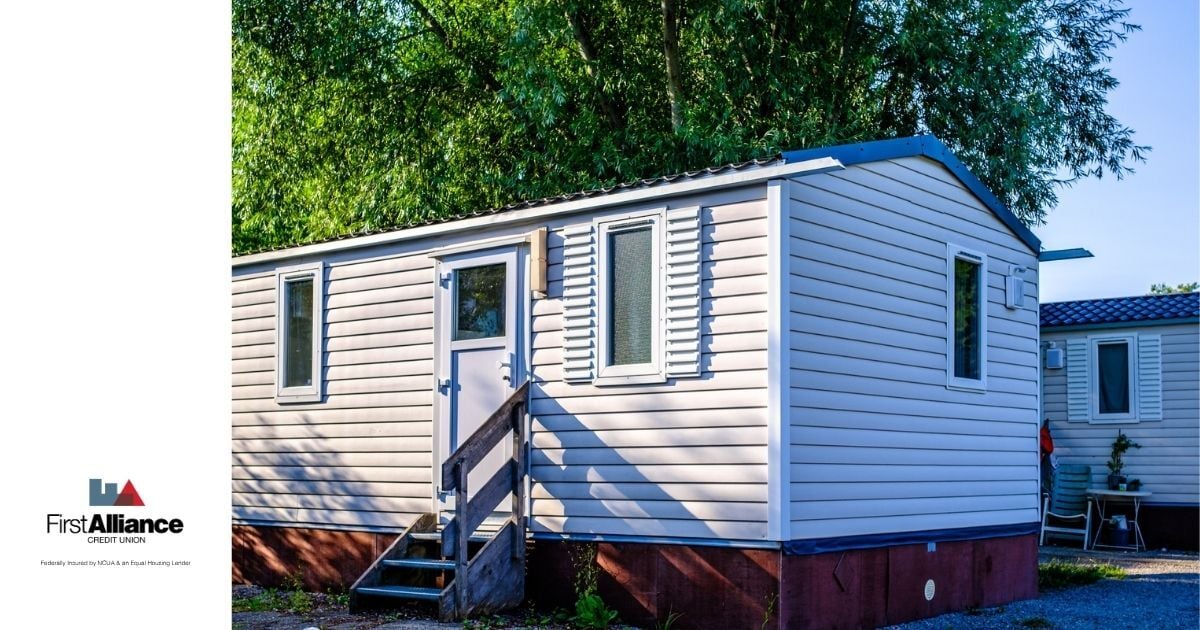
Manufactured homes have become one of the most practical paths to homeownership, especially for buyers who want a lower price point without giving up quality, comfort, or a place that feels like home. But qualifying for a manufactured home loan comes with its own set of questions, from credit and income to how land ownership factors into the process. This post breaks down what lenders actually look for, so you know what to expect before you apply.
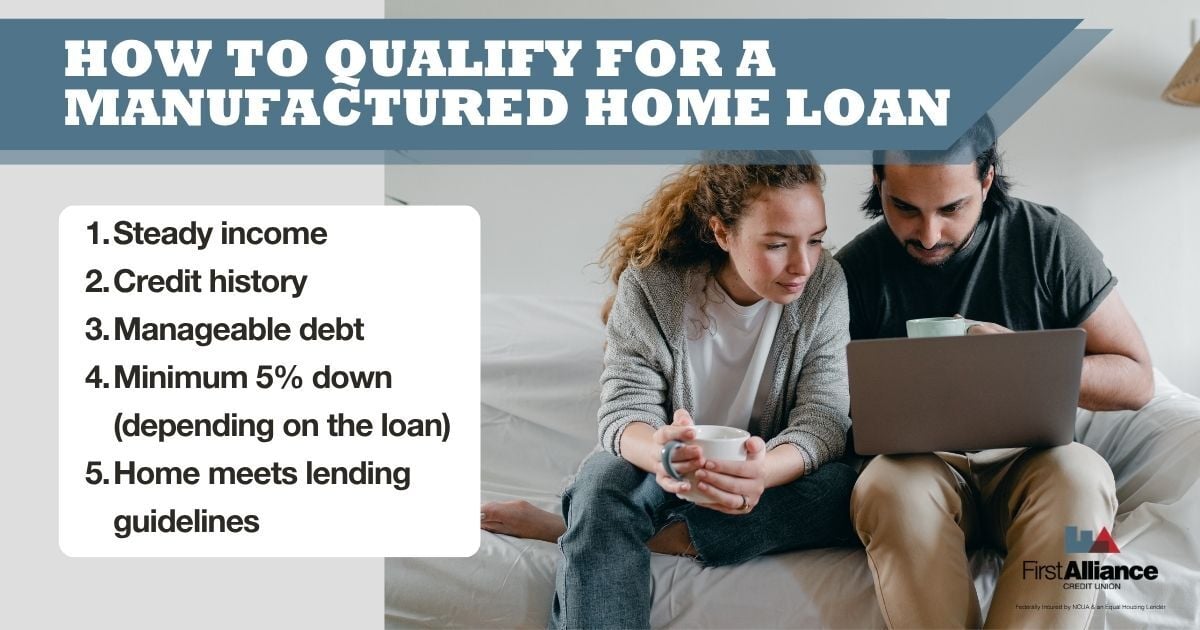
To qualify for a manufactured home loan, borrowers typically need steady income, an acceptable credit history, a manageable debt load, and a home and land setup that meets the lender's requirements. Lenders look at these factors together, not in isolation, so a strength in one area can sometimes help balance a weakness in another area.
Income is usually reviewed through pay stubs, tax returns, or other proof that shows you can comfortably afford the monthly payment for a manufactured home. Your credit history helps determine your interest rate and how much risk the loan carries. Your debt-to-income ratio, meaning how much of your monthly income already goes toward existing debt, shows lenders how much room is left in your budget for a new payment. You will also need to show proof of a down payment, which typically starts at a minimum of 5% depending on the loan program. Finally, the home itself matters. Its age, condition, and how it will be placed on the land all factor into whether it meets lending guidelines.
None of these pieces need to be perfect. What matters most is understanding where you currently stand so you can plan around it.

A manufactured home is built in a factory under federal HUD standards, then transported and set up at its final location, while a site-built home is constructed entirely on the property where it will stay. Manufactured homes generally cost less per square foot than traditional homes, which makes them an appealing option for first-time buyers or anyone working with a tighter budget.
Unlike a traditional mortgage, a manufactured home loan may depend more heavily on whether the home is permanently affixed to a foundation and whether the borrower owns the land it sits on. That distinction shapes almost every other part of the financing process, which is why it is worth understanding before you start shopping.
Owning the land can open up more financing options, but it is not the only path to approval. First Alliance offers flexible financing whether you plan to settle in a manufactured home community or place your home on land you own, and the type of loan available to you generally depends on how the home and land are purchased.
If you own the land and the home will be permanently attached to a foundation, you may qualify for a more traditional mortgage. Because the home and land are treated as one piece of real property, this option is often the more familiar path for buyers who already have long-term plans for the property.
Can you get a manufactured home loan on leased land? Yes, this is common, and it typically involves a loan type built specifically for the home itself rather than the land underneath it, often called a chattel loan. These loans are widely used for homes placed in manufactured home communities or parks. They tend to come with shorter terms than a mortgage and lot rent on top of your monthly loan payment, so it helps to have a clear picture of your monthly budget before choosing this route.
Neither path is automatically better than the other. The right choice depends on your long-term plans, your budget, and whether land ownership is part of your goals.
There is not one universal number that applies to every borrower, but many lenders look for a credit score in the 600s or higher, with stronger scores generally unlocking better rates and terms. If your score is lower than you would like, that does not automatically rule you out. It simply means it is worth having a conversation with a First Alliance home loan advisor about your specific situation before you apply.
A few habits can help strengthen your credit picture in the months leading up to your application. Paying bills on time, keeping credit card balances low, and avoiding new credit inquiries right before you apply can all make a meaningful difference. Small, steady improvements tend to add up more than people expect.
Having your paperwork organized ahead of time can make the entire process feel far less overwhelming.
Lenders will typically ask for recent pay stubs or tax returns to verify income, along with a form of identification such as a Social Security number or ITIN.
You will also need information about the home itself, including its age, condition, and value. If the home will sit on land you own, be prepared to provide documentation related to that property. If it will be placed in a manufactured home community, you will typically need a copy of the title, a park approval letter, and a signed purchase agreement once you have found the home.
Most lenders will ask for proof of manufactured home insurance before closing, so it helps to start that conversation early rather than waiting until the last step.
Gathering these documents in advance will not guarantee approval on its own, but it does help your application move more smoothly and gives your loan advisor a complete picture from the start.
Buyers exploring manufactured home loans tend to ask a similar set of questions early in the process. Here are quick answers to the ones we hear most often.
A manufactured home is built in a factory under federal HUD standards and then transported to its final location, while a site-built home is constructed entirely on-site.
Lenders typically look at your income, credit report and score, debt-to-income ratio, and the details of the home and land you plan to purchase.
It can open up more loan options, including a traditional mortgage, but it is not the only way to qualify. Homes on leased land often qualify through a chattel loan instead, but not all mortgage lenders offer these types of loans. First Alliance Credit Union is the primary lender in SE MN for manufactured home loans in a community.
Many lenders look for a score in the 600s or higher, though the exact number can vary by loan type and lender. A lower score does not automatically mean you will not qualify. A knowledgeable lender will review your specific situation and help you find the right fit.
Have proof of income, identification, details about the home and land, and proof of insurance ready so your application can move through the process smoothly.
If you understand the home, land, and financial requirements ahead of time, you can move through the manufactured home loan process with fewer surprises. Manufactured home financing does not have to feel complicated once you know what lenders are actually looking for.
Every buyer's situation looks a little different, and that is normal. Whether your credit needs a little more time, you are still deciding between owned and leased land, or you are simply gathering documents for the first time, taking things one step at a time is enough to keep moving forward.

 Jenna Taubel : May 2, 2024, 5:00:00 AM
Get expert advice on securing financing for manufactured homes, from understanding credit requirements to navigating the loan process...
 First Alliance Credit Union : Jan 6, 2022, 4:30:00 AM
Wondering when you should leverage your home's equity? Learn the 4 smartest uses—remodels, tuition, emergencies, and investments—plus two risks to...

 Kamel LoveJoy : Jul 30, 2024, 5:30:00 AM
Learn how long can you finance a camper or RV with affordable rates. Explore secured and unsecured loan options to make your travel dreams a reality.