
 First Alliance Credit Union
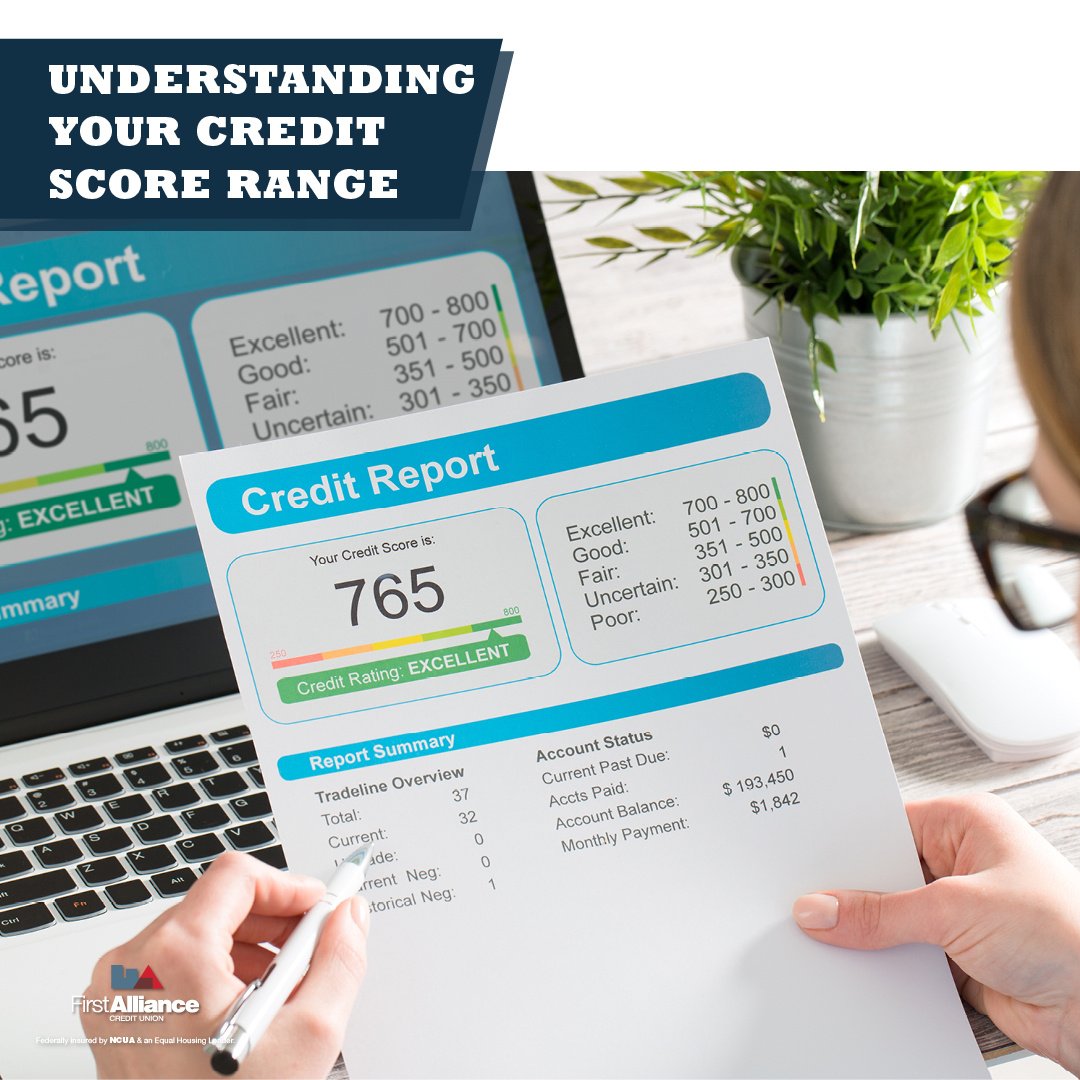
Understanding Your Credit Score Range
 Kamel LoveJoy : Mar 25, 2025, 5:00:00 AM
Understand Your Credit Score Range and learn how to understand & improve your credit score for better financial opportunities & peace of mind.

Credit cards are an important financial tool. However, many people who have a poor credit history or no credit history cannot qualify for a typical credit card. So what options are there for getting a credit card with poor credit history? One option is a secured credit card. Here are some points that will help familiarize you with secured credit cards.
A secured credit card is a credit card you open with a refundable cash deposit. In most cases, the amount you deposit becomes your credit limit, so a $300 deposit would give you a $300 limit. You use the card for purchases and pay the bill each month just like any other credit card. As long as the lender reports your payments to the credit bureaus, those on-time payments help you build credit for the first time or rebuild it after a rough patch.
Below, we'll walk through how the deposit works, what to expect once you start using the card, and how to get the most credit-building value out of it.

A secured credit card is connected to a savings account; the amount that you have in this account acts as your credit line. You can’t go over this credit limit, ensuring that you won’t spend more than you have. The credit line can be increased by adding more money to the account. Your financial institution may also increase it if you are responsible with your credit card.
The charges for a secured credit card vary depending on the financial institution you get it from. You will have to read the card agreement carefully to determine all the charges that you will have to pay for the card. Try to avoid paying large fees for the credit card.
The deposit is what sets a secured card apart from a regular credit card. Once you're approved, you'll be asked to put down a security deposit before your card is issued. According to the Consumer Financial Protection Bureau, these deposits commonly range from $50 to $300, and the lender typically gives you a credit line that matches whatever you deposit. Some cards let you put down more if you'd like a higher limit, which can make it easier to keep your balance low compared to the credit you have available.
A secured credit card is a way for you to rebuild or create a good credit history. Having a credit line with your credit card allows you to rein in your expenses. You will know when you have built a strong credit history when you start receiving mail from other financial institutions to apply for unsecured credit cards.
Make sure that the secure credit card issuer is reporting your credit history to the relevant bureaus. Some financial institutions will not do it unless you ask them to. Contact your financial institution to verify they are sharing the required credit information.
Once your credit history has recovered enough, you will want to get an unsecured credit card. The best approach to get a regular credit card would be to apply for one from the financial institution that gave you the secured credit card. If you have a good relationship with your financial institution, it may be easier to qualify for the credit card that way.
There will be no interest added to the deposit you make originally, though you may be able to earn some rewards for spending via secured credit card. Financial institutions will also hold on to the deposit for a little after you have cancelled the card, just to make sure there aren’t any additional charges.
Some people believe that after getting a secured credit card they can improve their credit without making purchases. However, you will have to make purchases with the card periodically and pay the bills off on time to improve your credit. Remember that secured cards may have a higher interest rate, so don’t use them to purchase excessively expensive items. This is also the reason you should use a secured credit card for a limited period and then apply for an unsecured credit card once your credit improves.
Secured credit cards are a decent option for people who want to establish a good credit history or improve their existing credit rating. They require an up-front investment, but if you use them wisely, you can greatly improve your financial standing.
If you'd like to see what a secured credit card can do for you, talk with a member advisor at First Alliance Credit Union. They'll help you decide if a secured credit card is the right solution for you.

 Kamel LoveJoy : Mar 25, 2025, 5:00:00 AM
Understand Your Credit Score Range and learn how to understand & improve your credit score for better financial opportunities & peace of mind.

 Allethea Faye Monfiel : Aug 20, 2026, 6:00:00 AM
See how your credit score affects loan approval, interest rates, renting, and utilities, plus how First Alliance Credit Union can help you build...
 Kamel LoveJoy : Mar 26, 2025, 4:39:34 PM
No credit? Open one account that reports to the credit bureaus, like a secured card or credit builder loan, and you can have a first credit score in...